Above the Clouds: A Spring Expedition from Boone to the Smokies Along the Blue Ridge Parkway
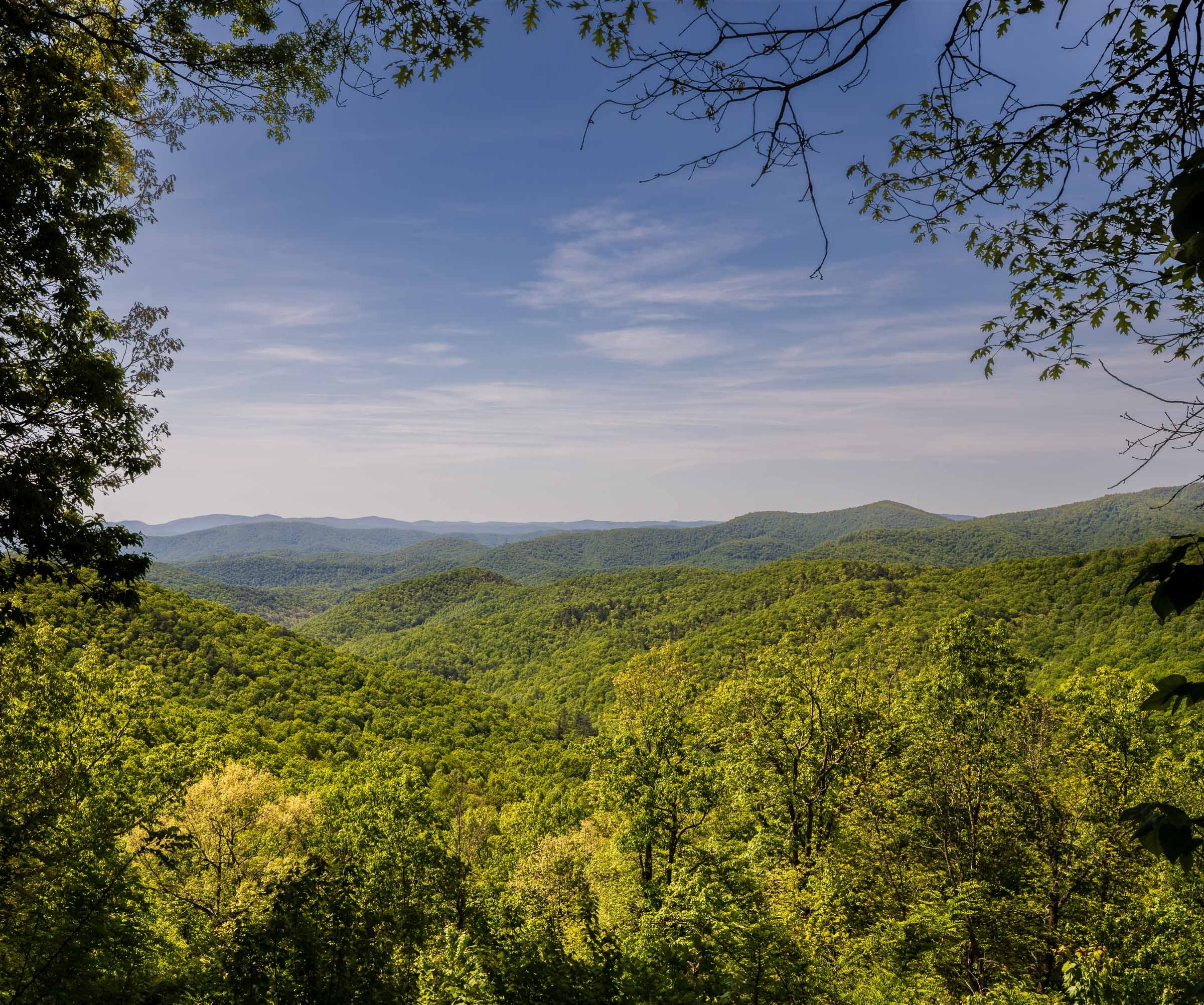
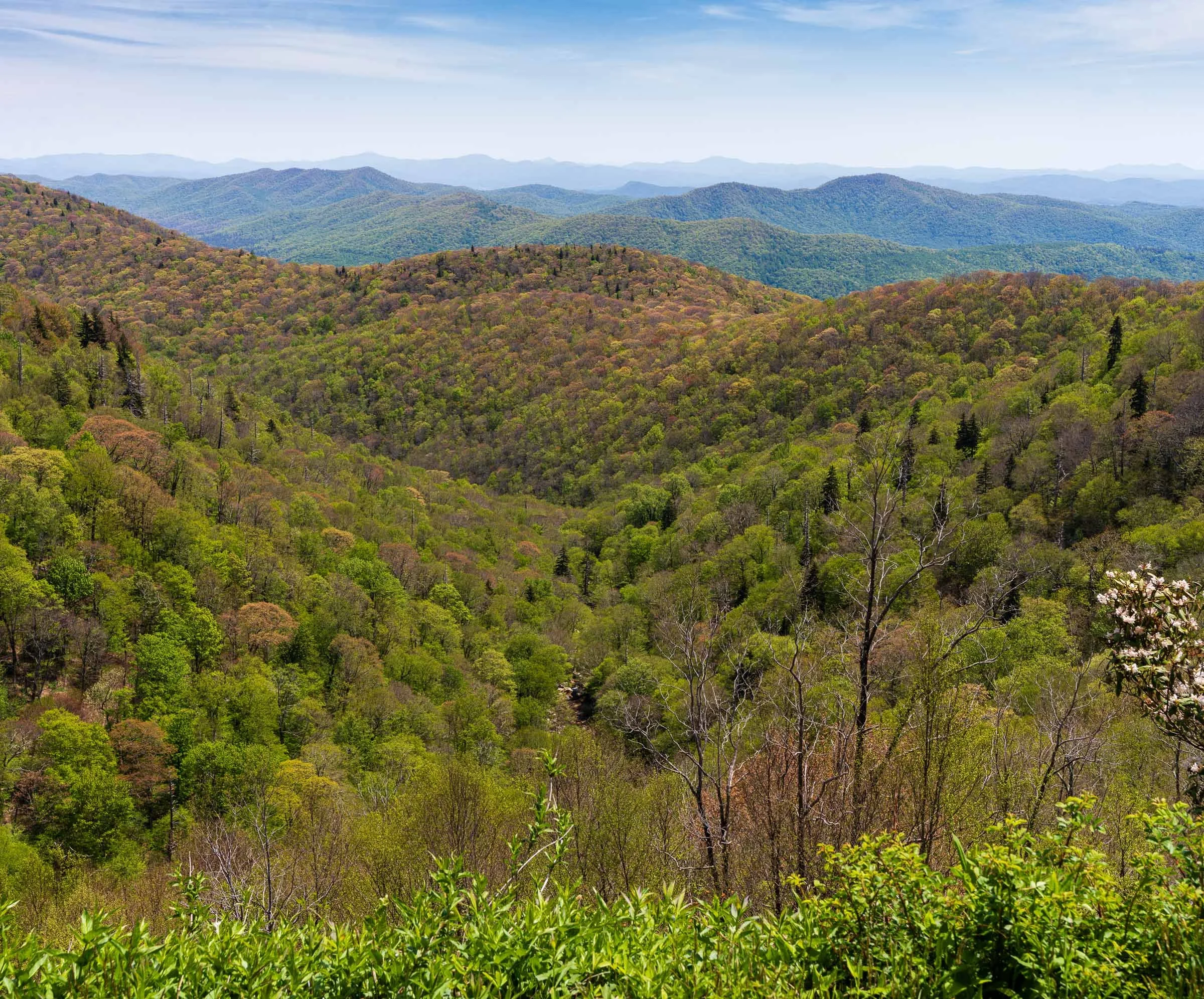
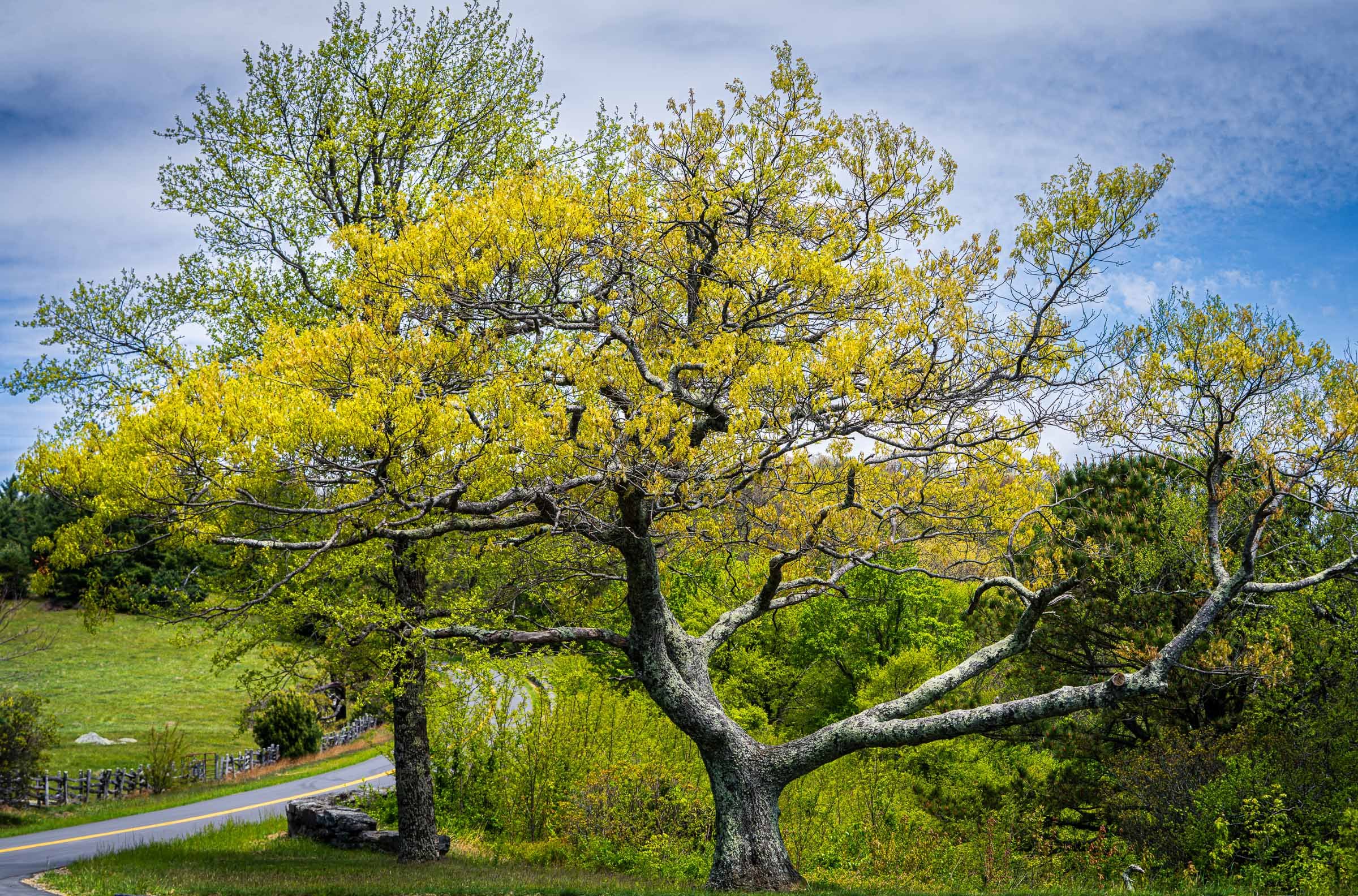
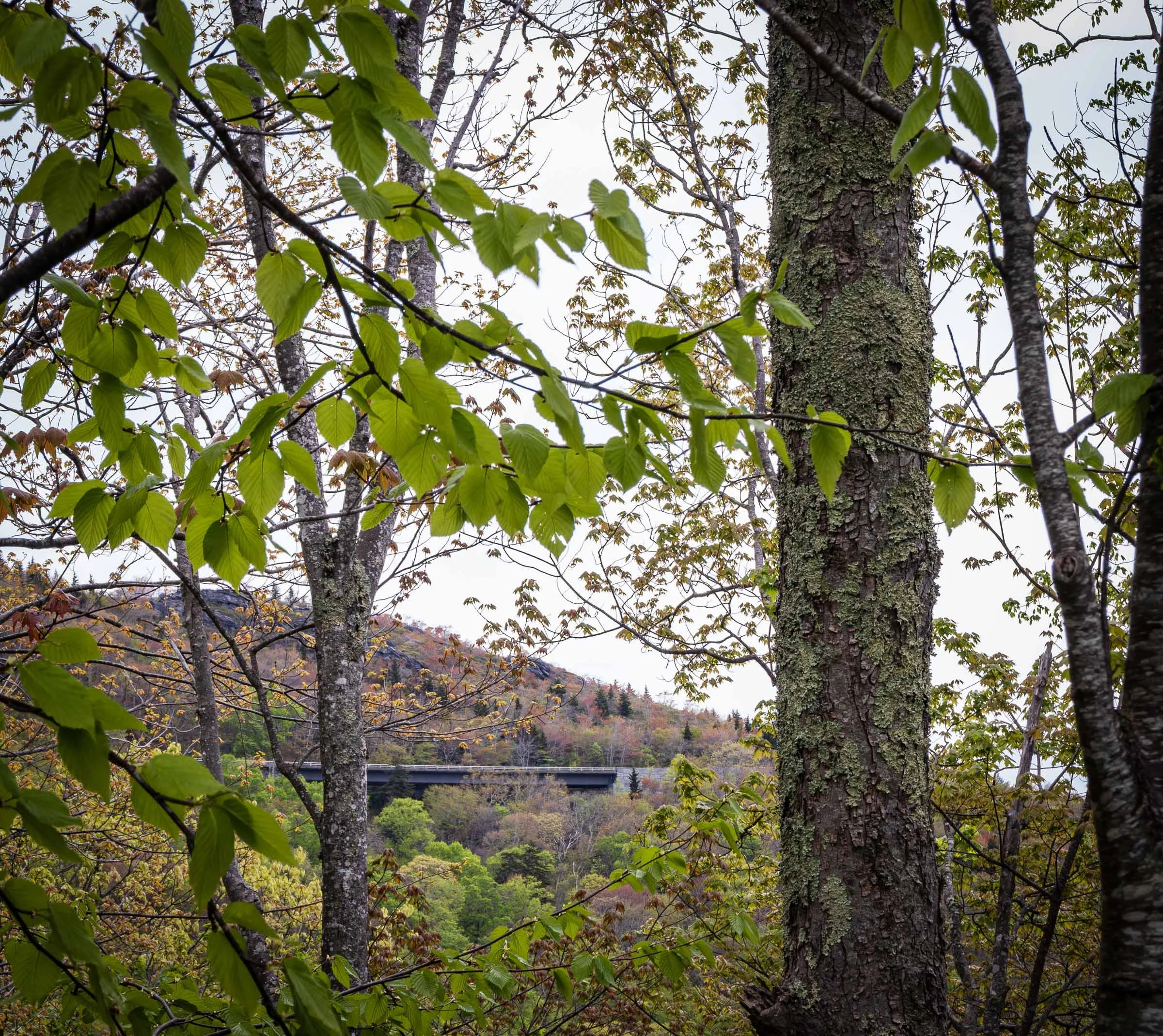
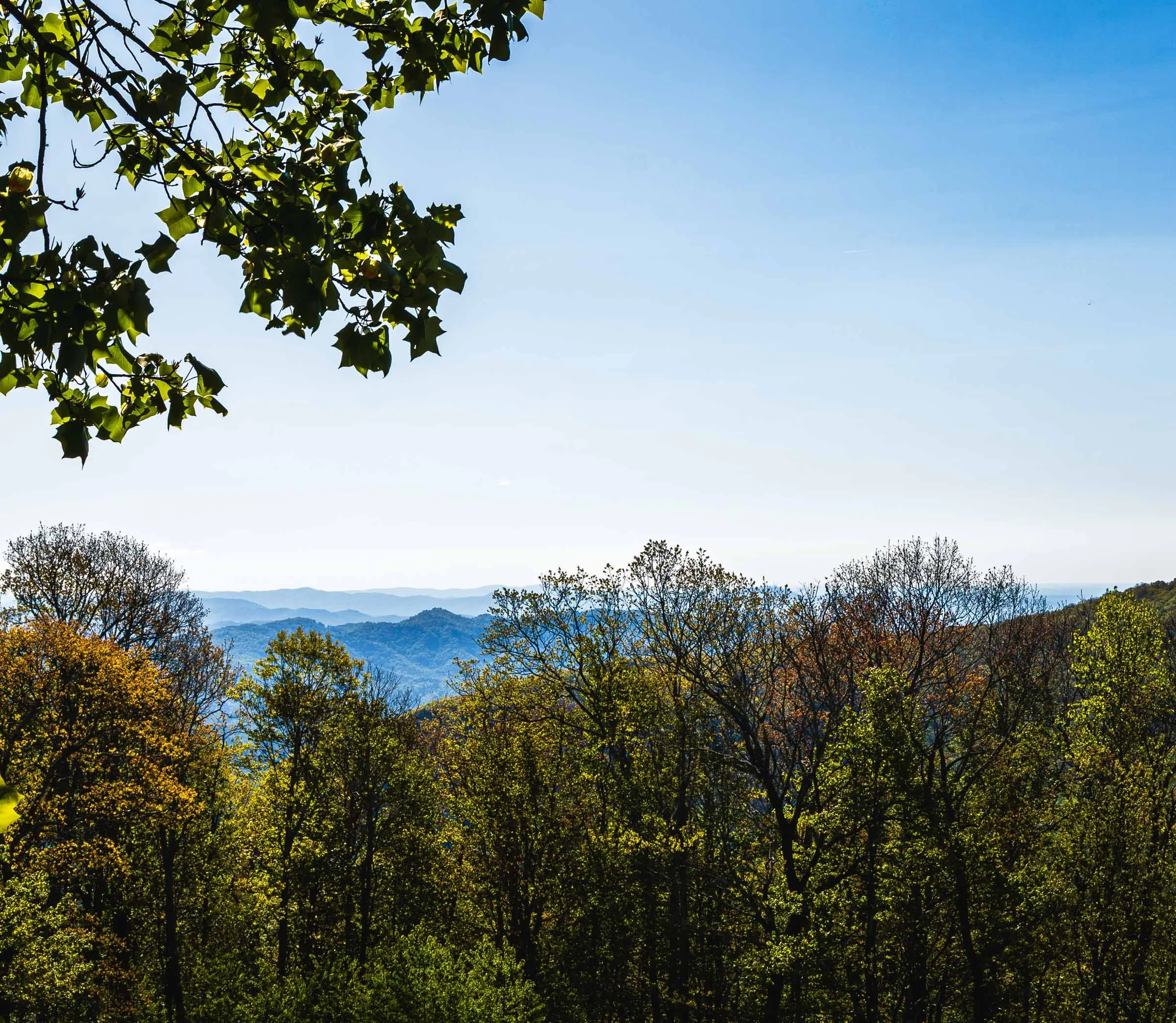
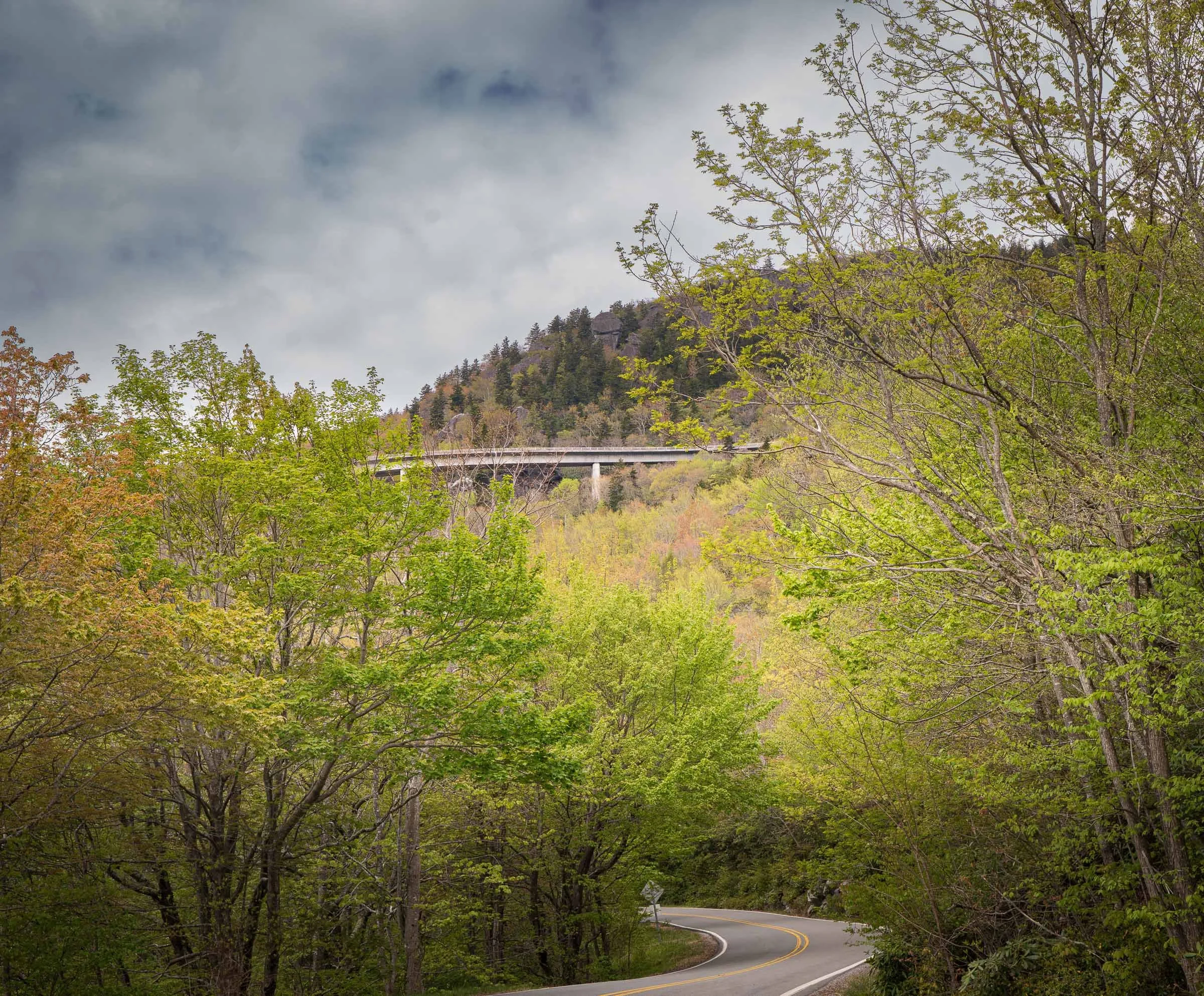
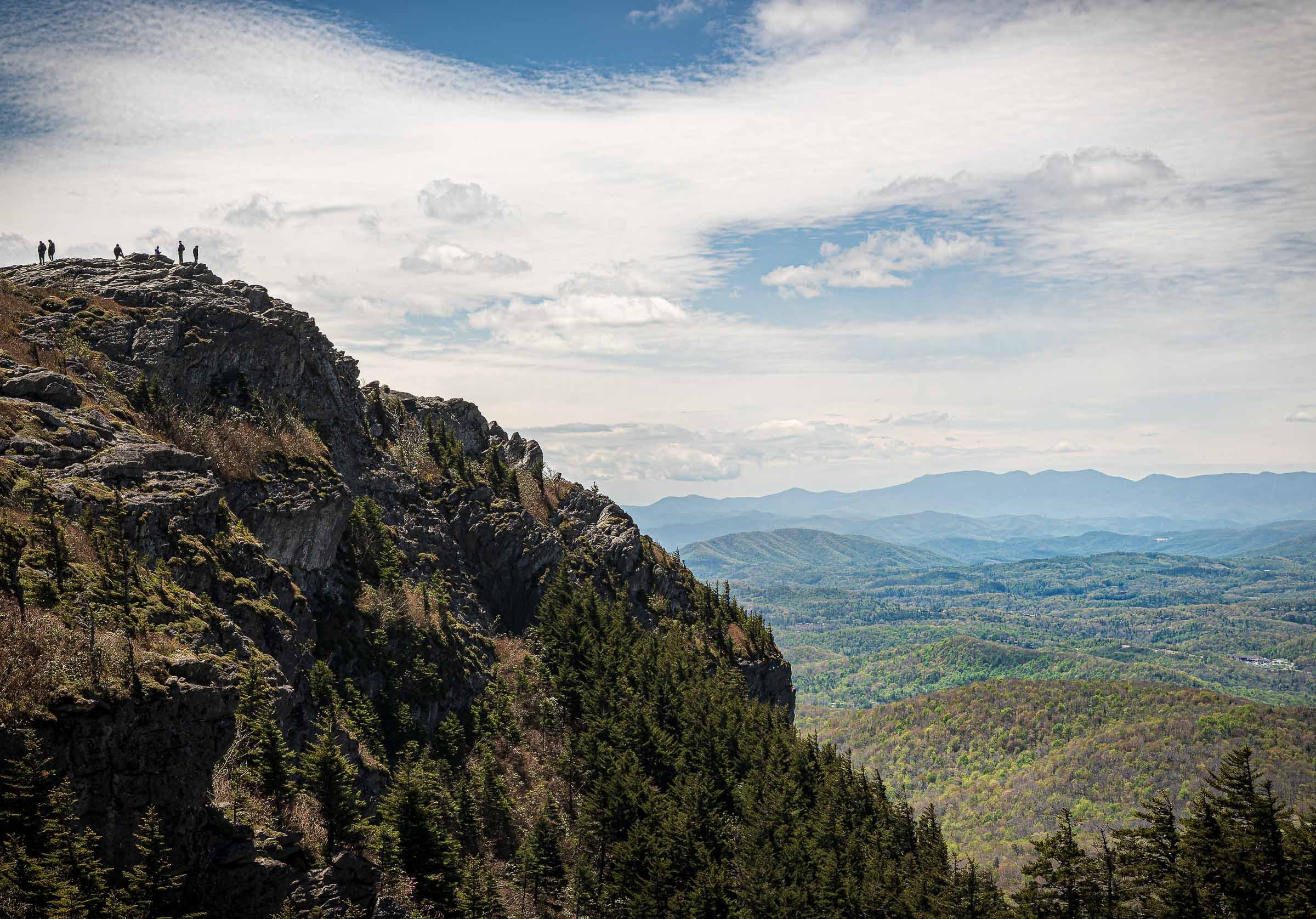
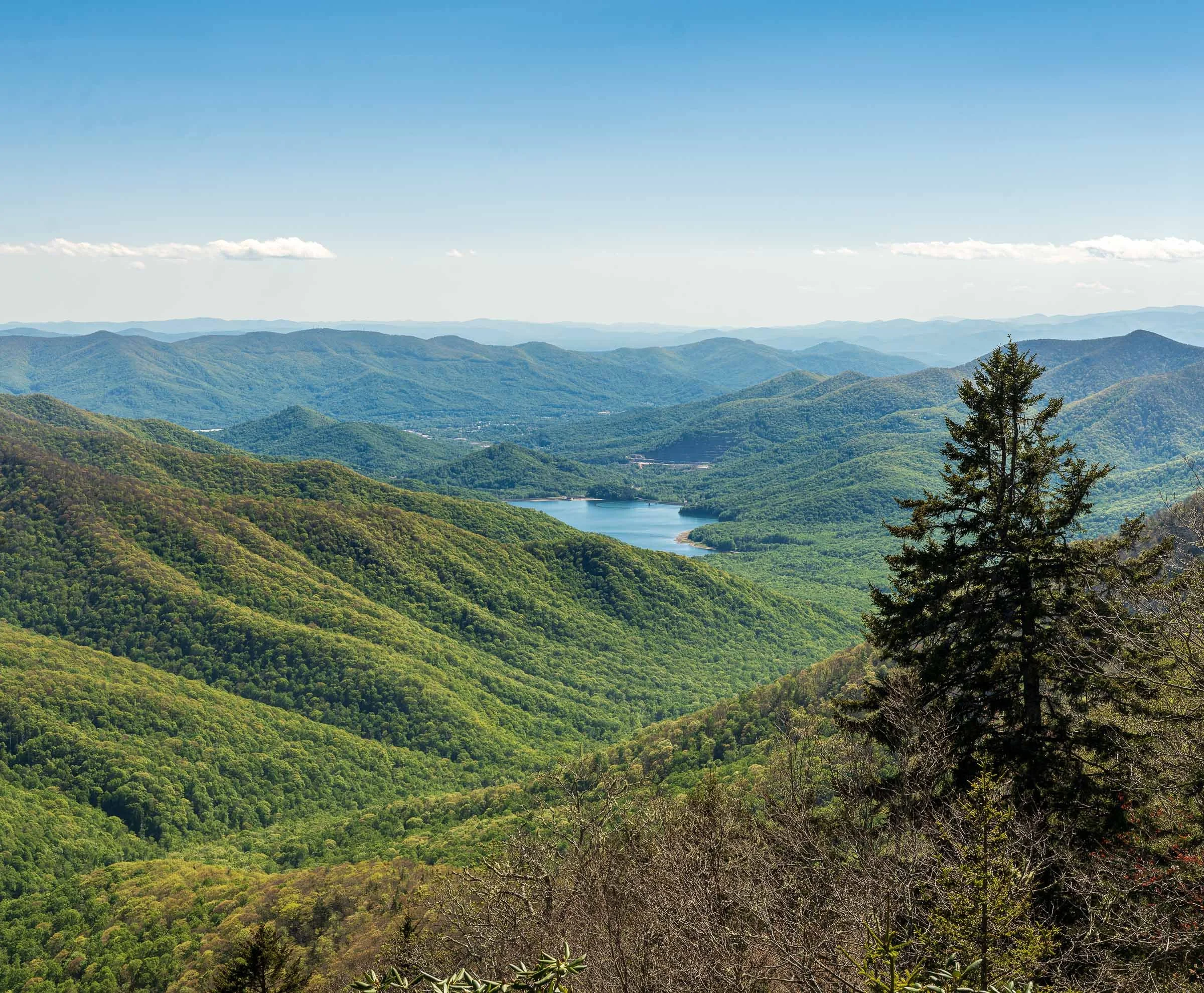
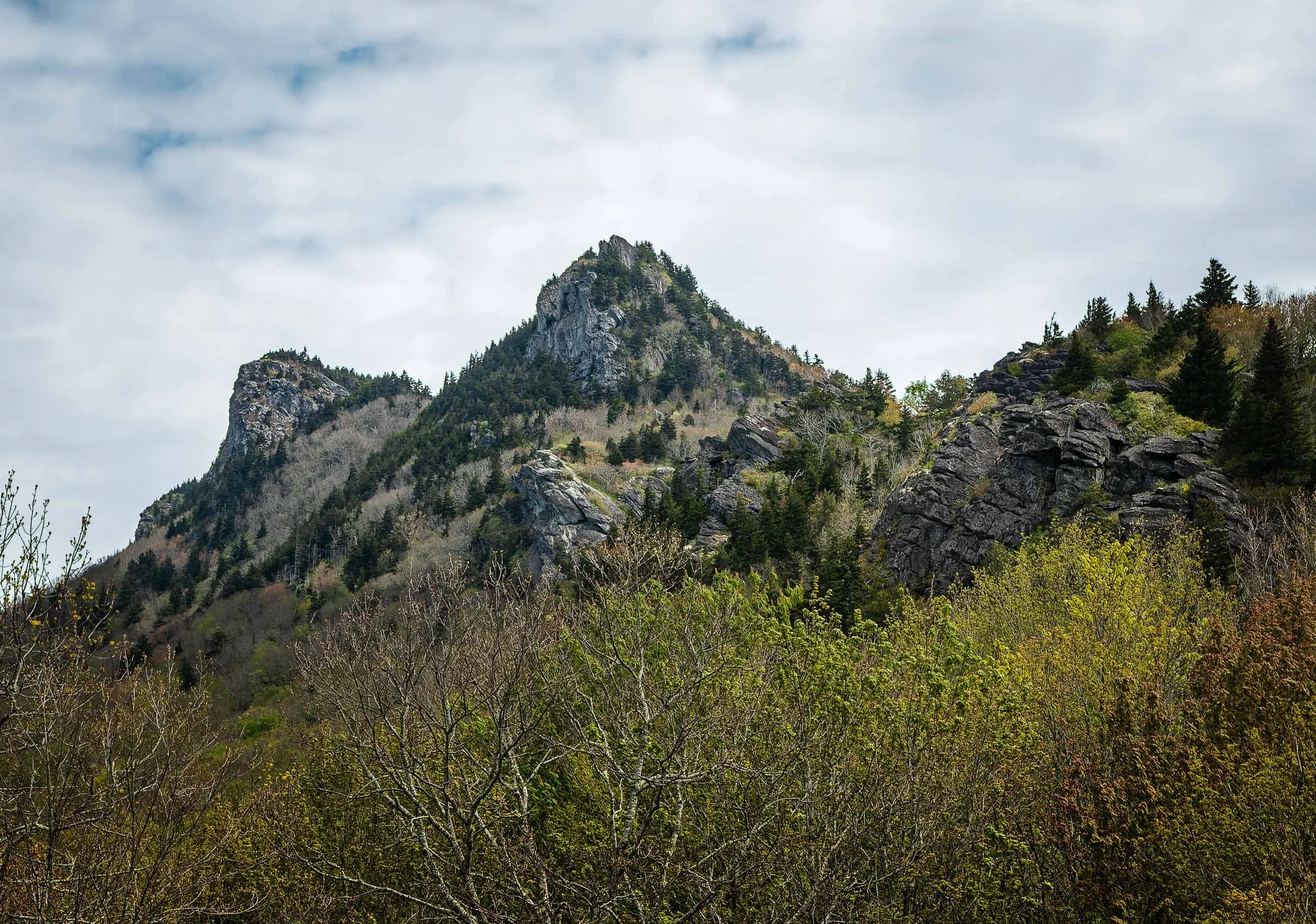
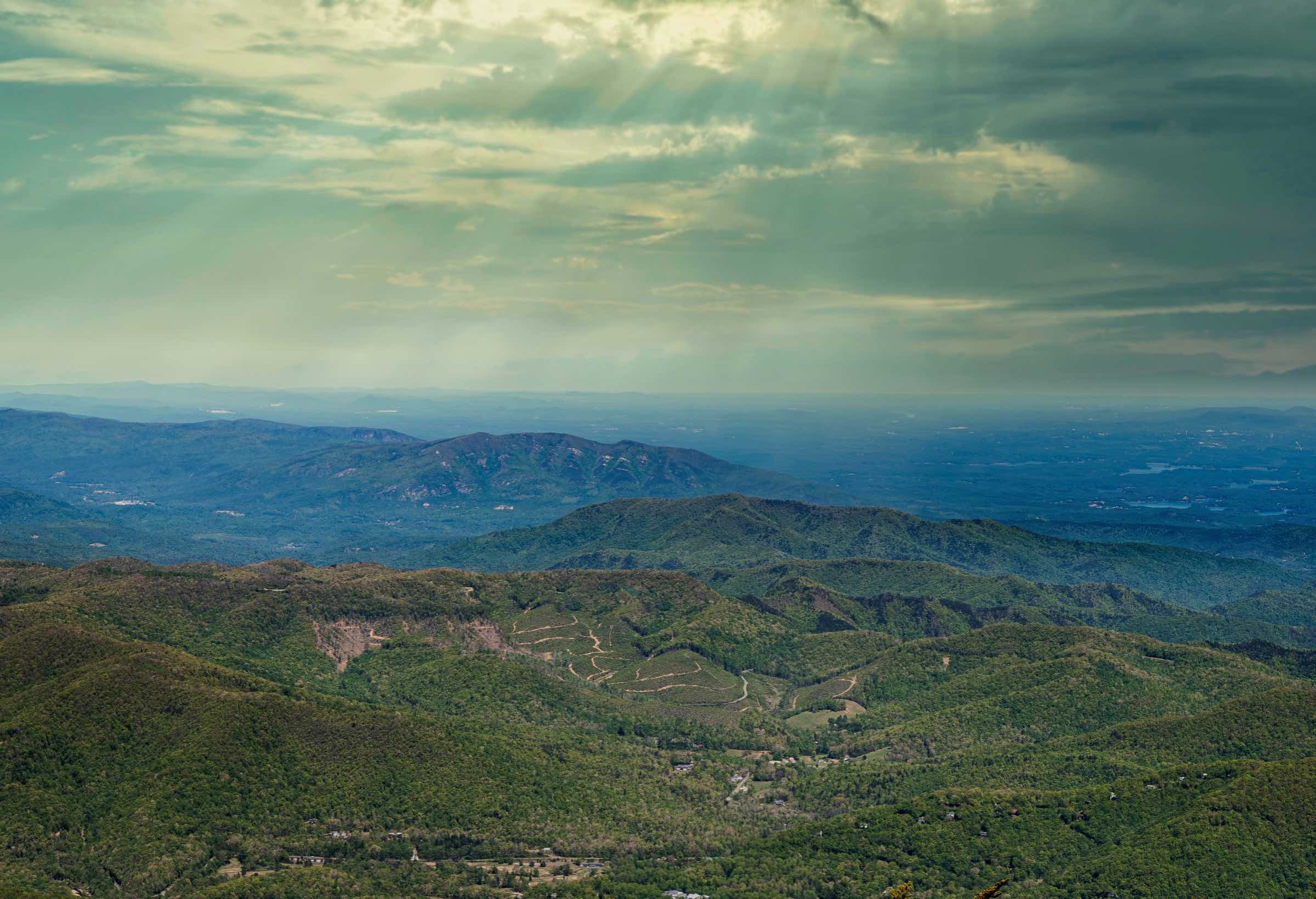
Descending from the rugged heights of Boone toward the misty valley of Cherokee, the Blue Ridge Parkway transforms into a high-altitude gallery of the Appalachian soul. In late spring, the "green wave" surges up the ridges, where the new leaves of the hardwood forests create a vibrant, lime-colored contrast against the ancient, deep-blue shadows of the peaks (King, n.d.). This stretch is defined by engineering marvels like the Linn Cove Viaduct, which snakes gracefully around the boulder-strewn slopes of Grandfather Mountain, and the ethereal beauty of Craggy Gardens, where the Catawba rhododendrons begin their slow march toward a mid-June peak (Teague, n.d.). As the road gains elevation near Waterrock Knob, the air thins and cools, offering sweeping 360-degree vistas that reveal the true "blue" of the ridges—an atmospheric haze produced by the hydrocarbons released by the dense coniferous forests.
Just a short detour from Milepost 291.9, The Blowing Rock offers a dramatic vantage point over the Johns River Gorge, where unique cliff topography creates a powerful upward draft that can actually return light objects tossed into the abyss. Known as North Carolina’s oldest travel attraction, the site provides stunning views of Grandfather Mountain and Table Rock from its rugged observation decks. It is a perfect spot to capture the immense scale of the Pisgah National Forest and experience the "wind that blows upside down."
As you approach the southern terminus in Cherokee, the landscape shifts into the protected wilderness of the Great Smoky Mountains. This area is a prime habitat for the reintroduced elk herds, which are often seen grazing in the lush bottomlands near the Oconaluftee Visitor Center during the quiet hours of dawn and dusk. For the landscape artist, this 160-mile journey offers an infinite variety of "patches of sunshine and shadow," where the light shifting across the valleys ensures that no two photographs ever capture the exact same pattern (King, n.d.).