Where the Wild Things Roam: A Journey Through Theodore Roosevelt National Park
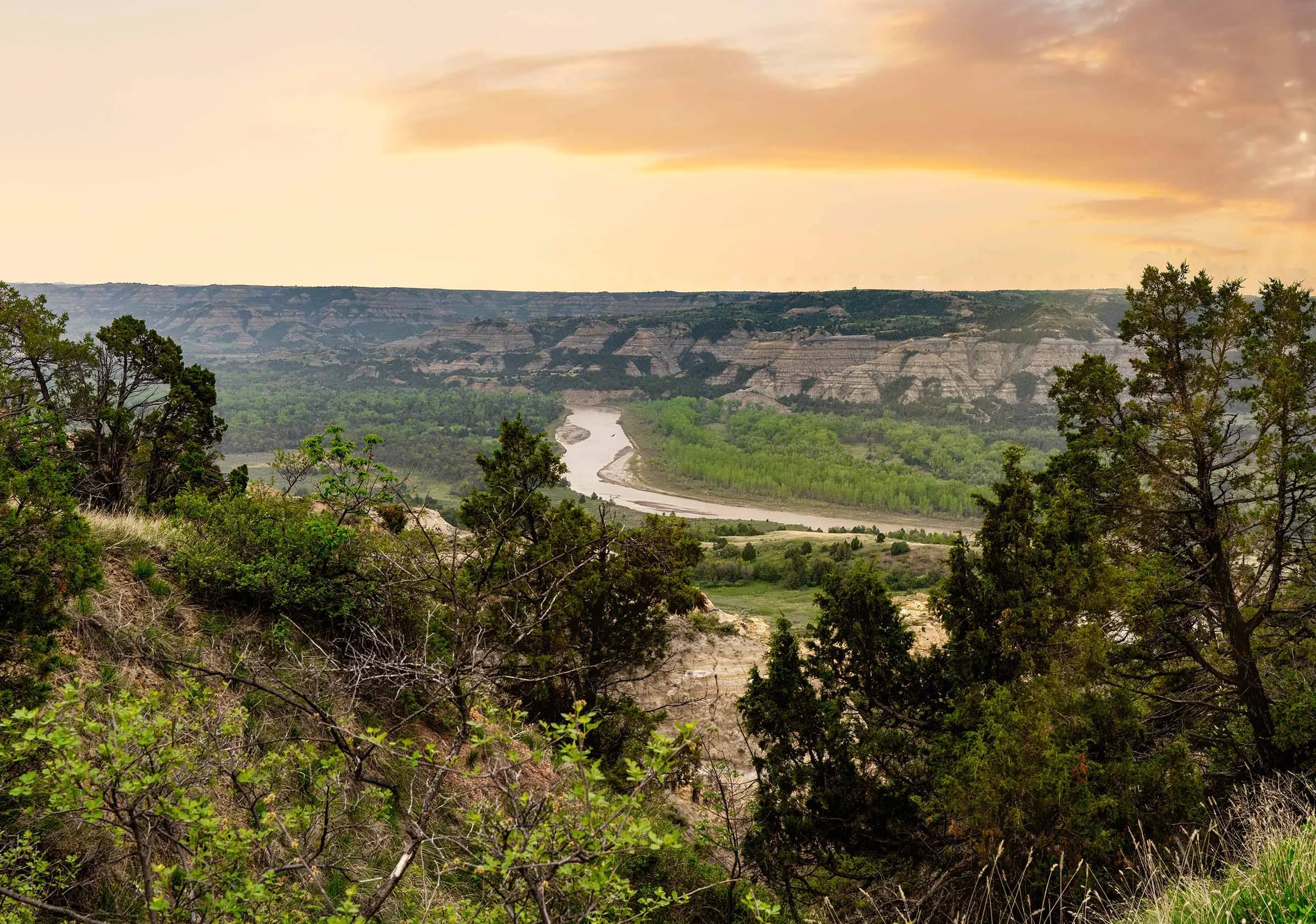
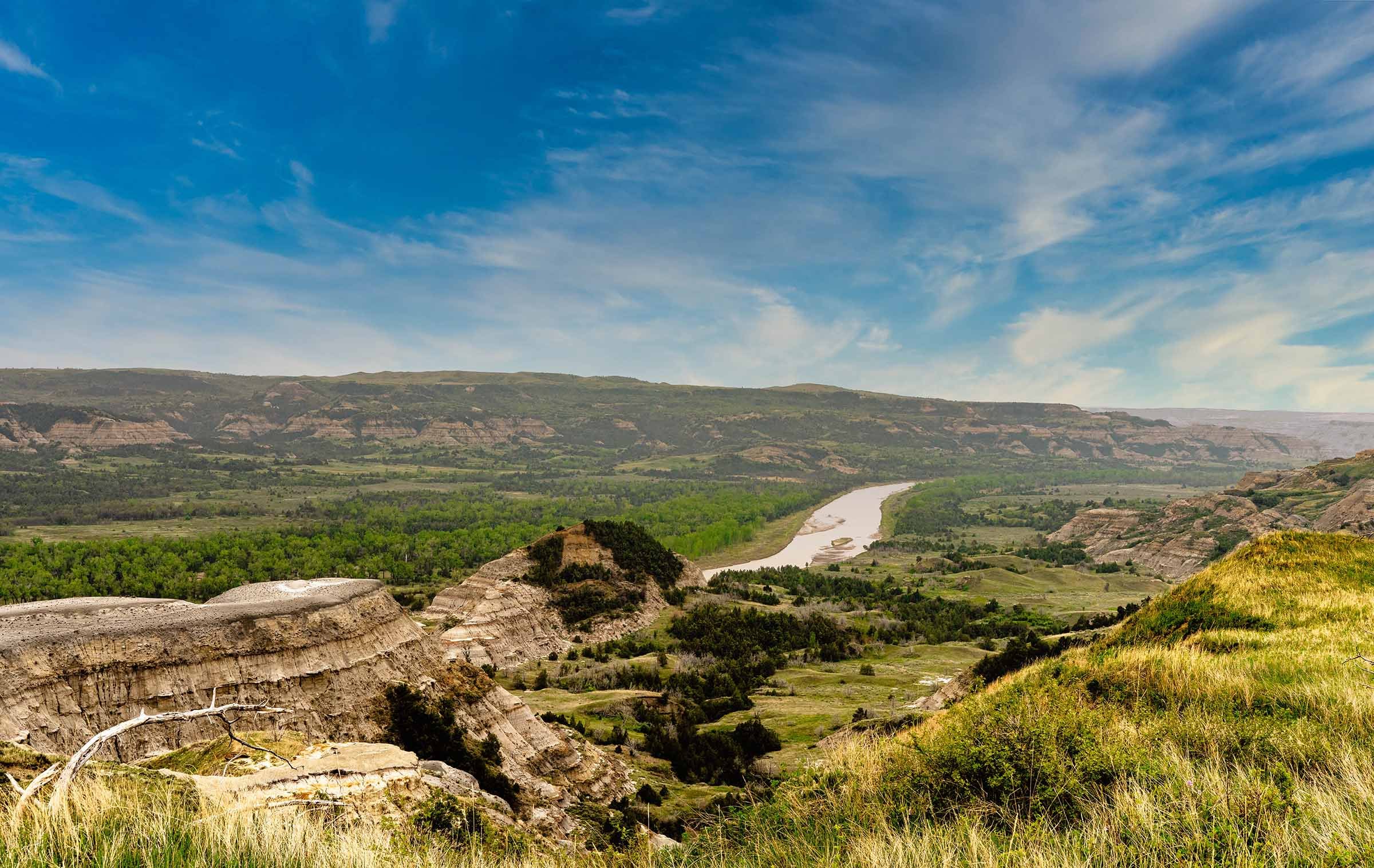
Tucked away in the rugged badlands of western North Dakota, Theodore Roosevelt National Park serves as a dramatic tribute to the president whose conservation legacy shaped the American landscape. This park isn't just a scenic vista; it’s the place where a young, grieving Roosevelt found solace and grit, eventually transforming into the "Conservation President."
The park is split into two primary units, each offering a distinct flavor of the frontier:
The South Unit
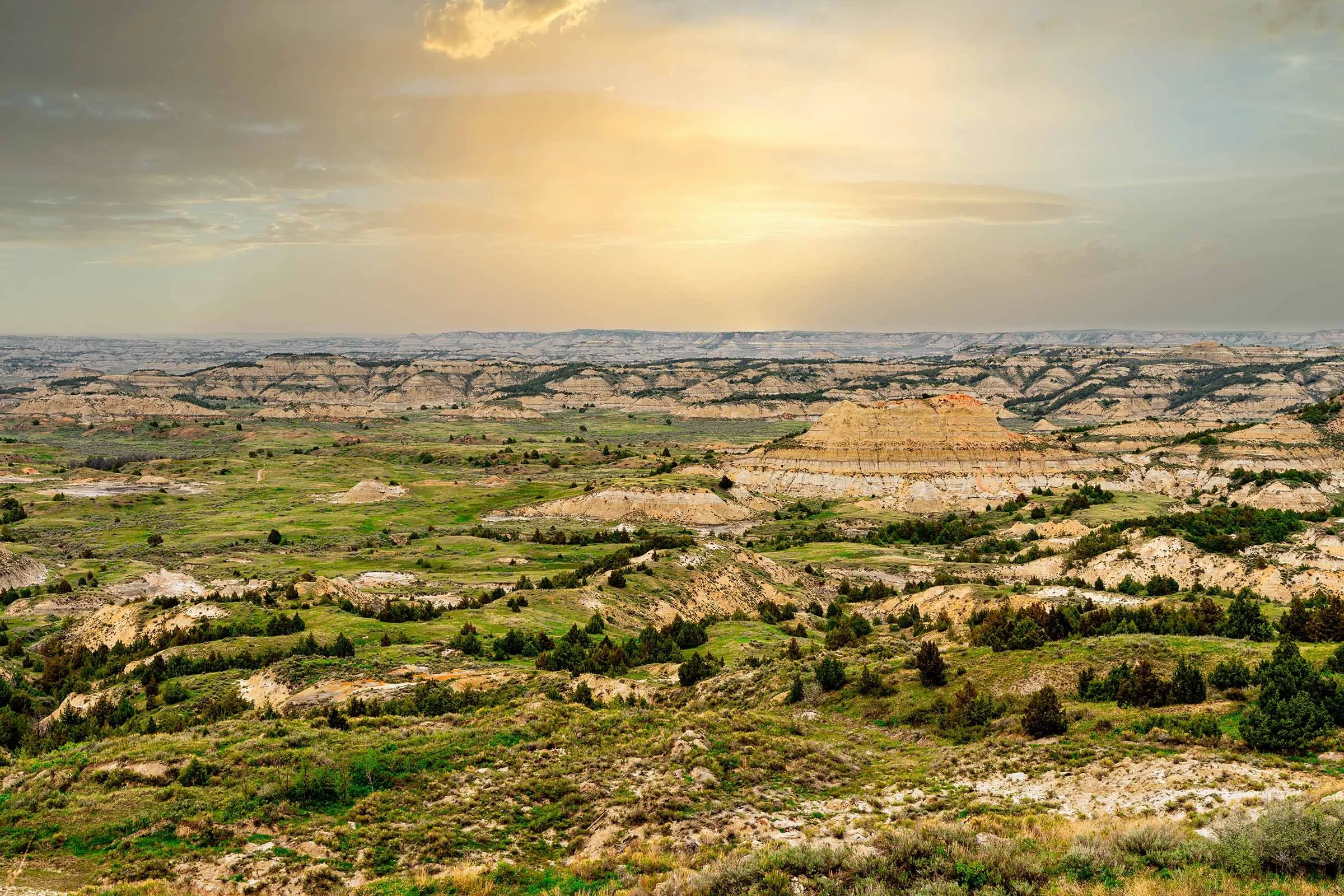
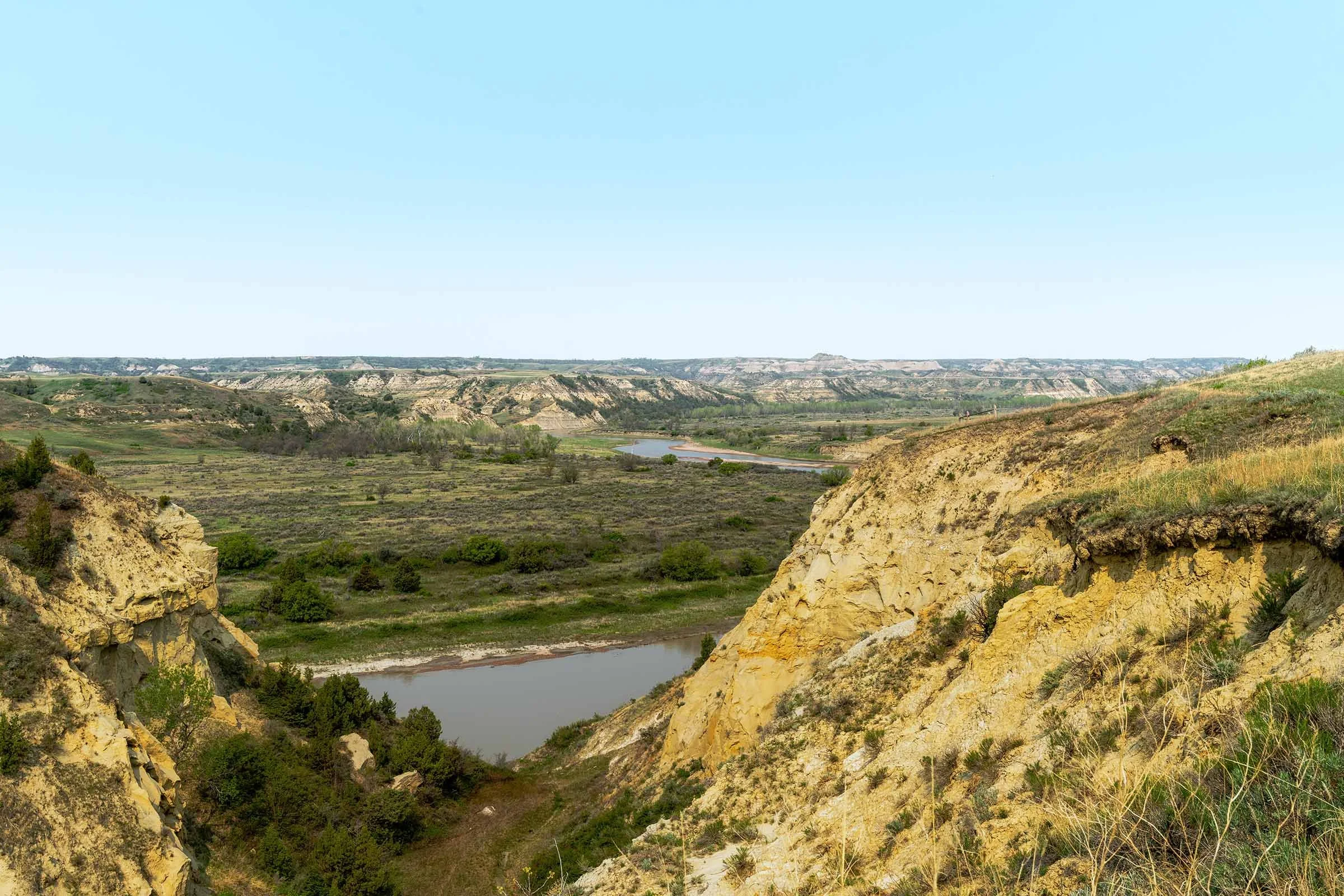
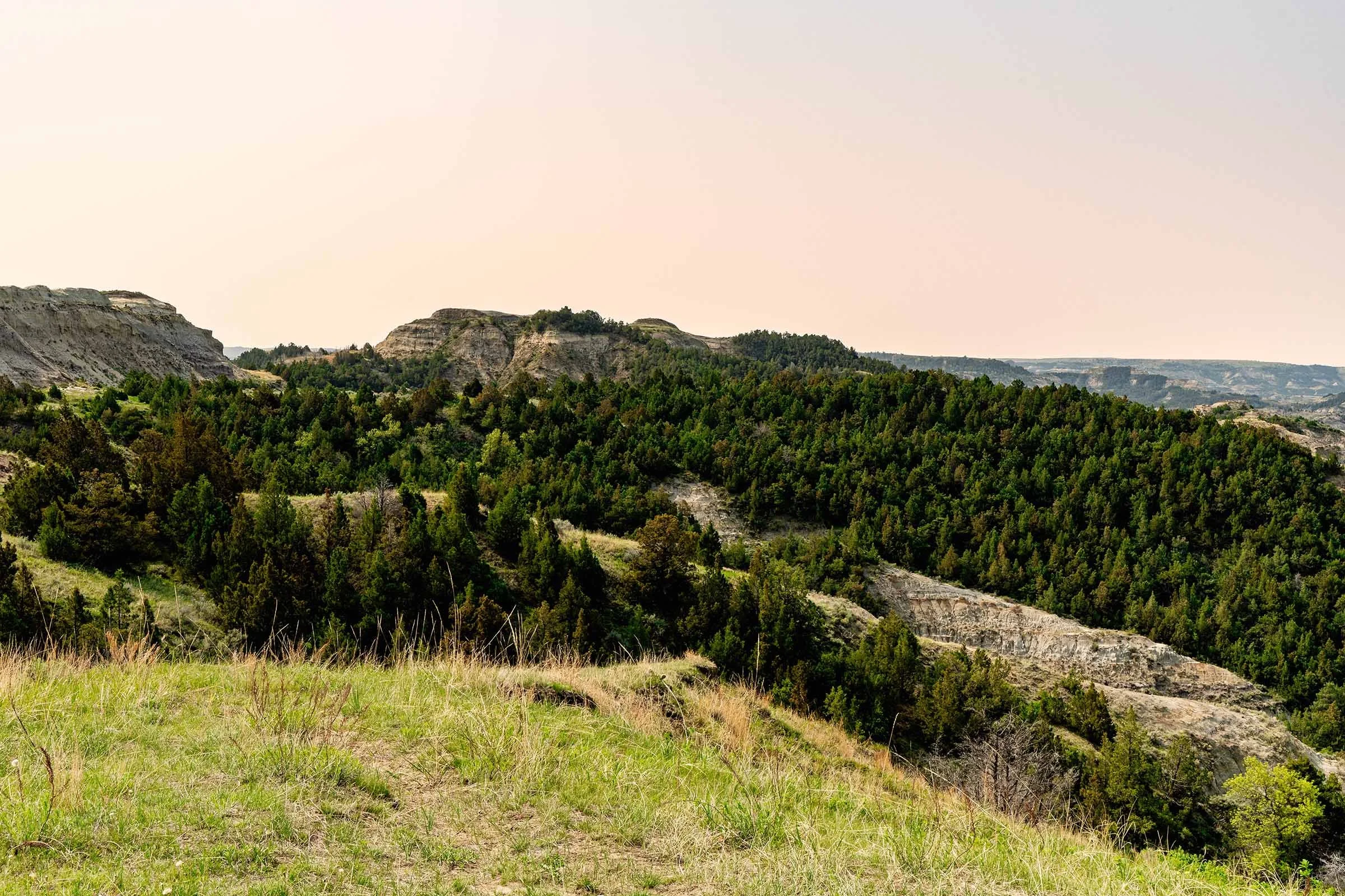
Centering around the colorful gateway town of Medora, the South Unit is the more accessible and popular of the two. It features the famous Painted Canyon, where layers of oxidized lignite coal and clay create a vibrant, multi-hued tapestry across the breaks. Here, the Little Missouri River carves through the earth, creating a sanctuary for massive herds of bison, wild horses, and playful prairie dog towns.
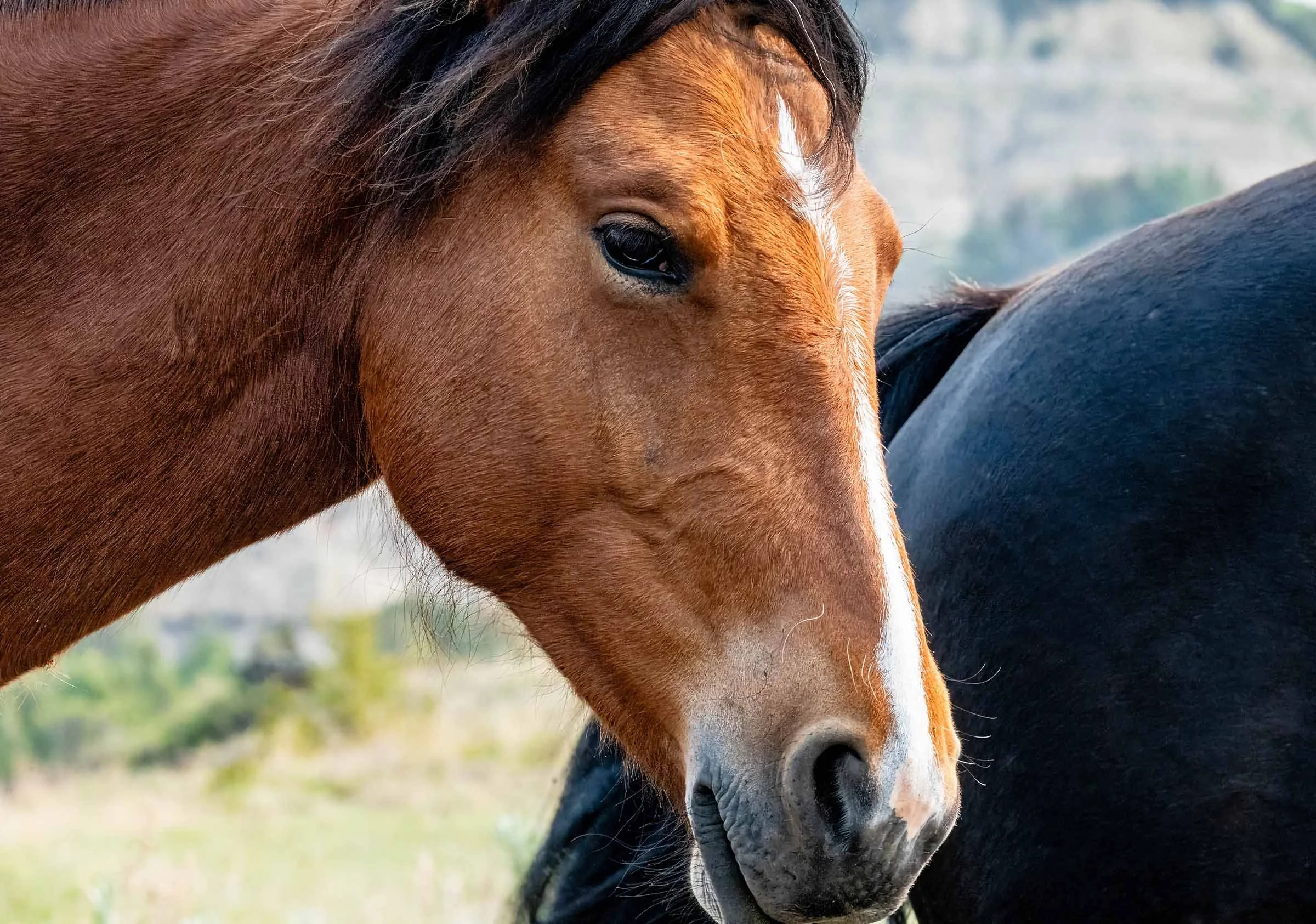
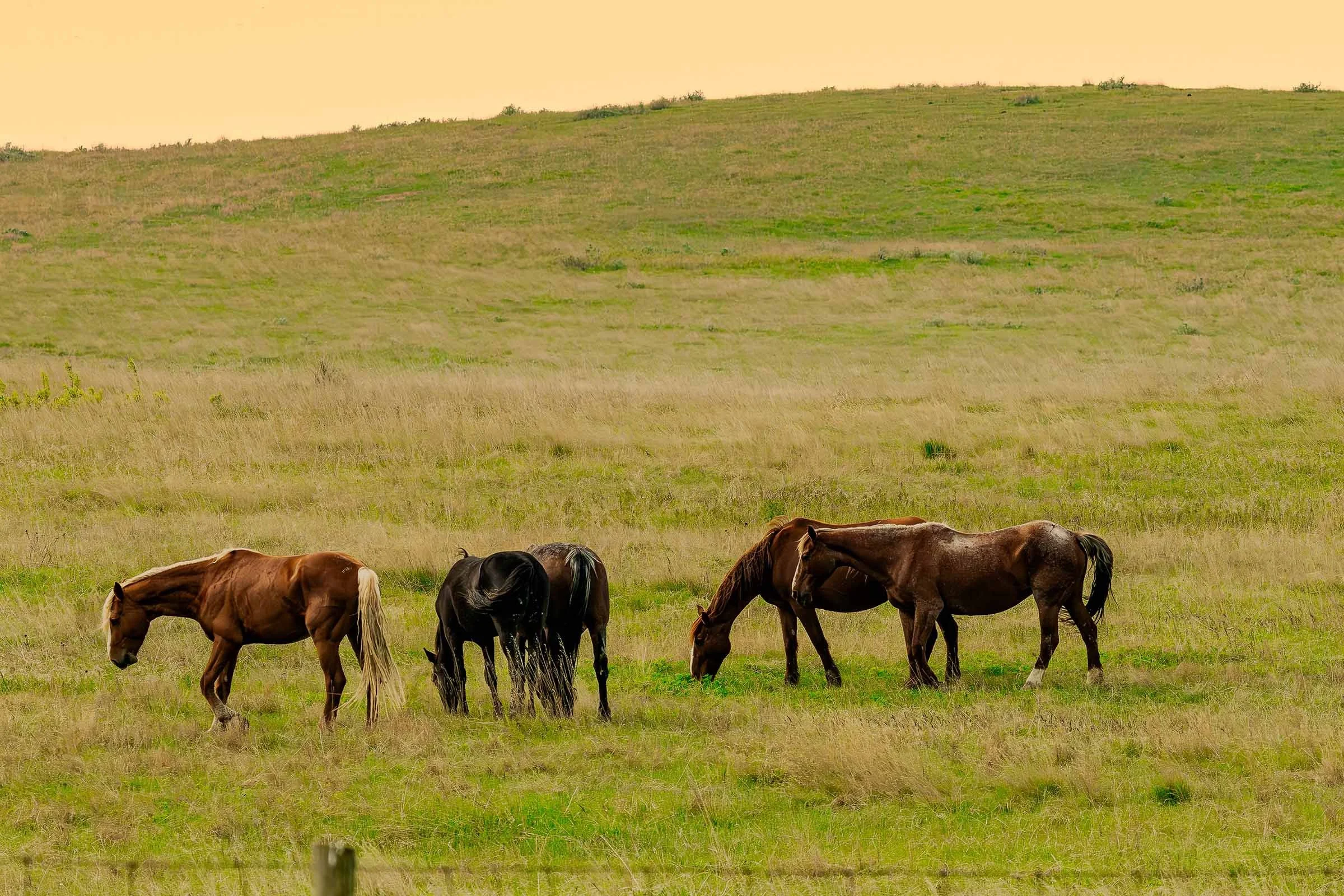
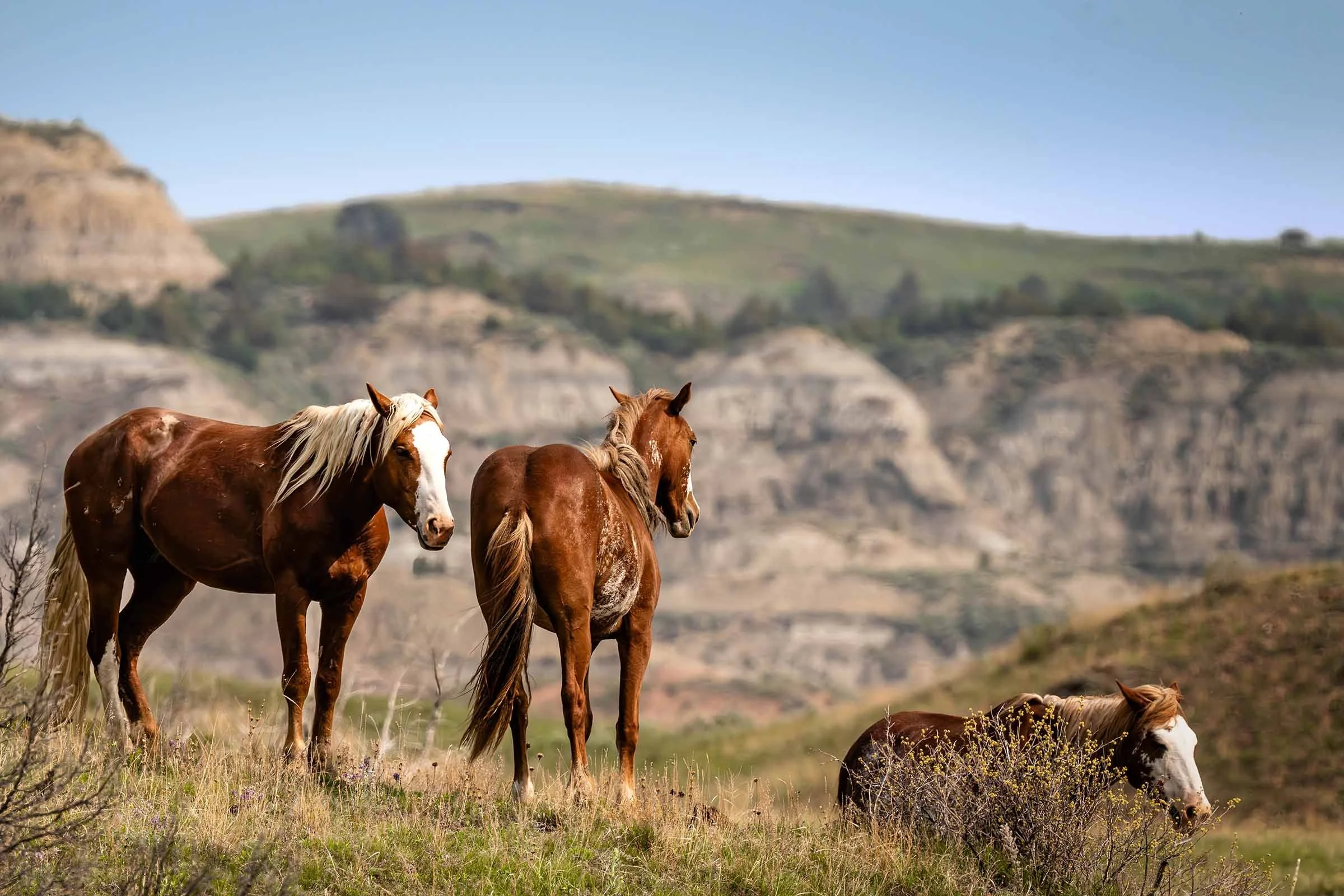
One of the few places in the National Park System where you can see horses roaming free, these herds are a primary draw for the South Unit. They are considered "feral" rather than truly wild, descending from ranch stock and Native American ponies.
Social Dynamics: Keep an eye out for "bands" led by a dominant stallion.
The Experience: Seeing them gallop across the plateaus against a sunset backdrop is arguably the most cinematic moment you can capture in the park.
The North Unit
For those seeking solitude, the North Unit offers a more rugged, "untamed" experience. It is home to some of the park’s most unique geological features, such as the cannonball concretions—massive, spherical boulders formed by mineral cementation. The vistas here are deeper and more dramatic, providing a raw look at the erosion that has sculpted this terrain over millions of years.
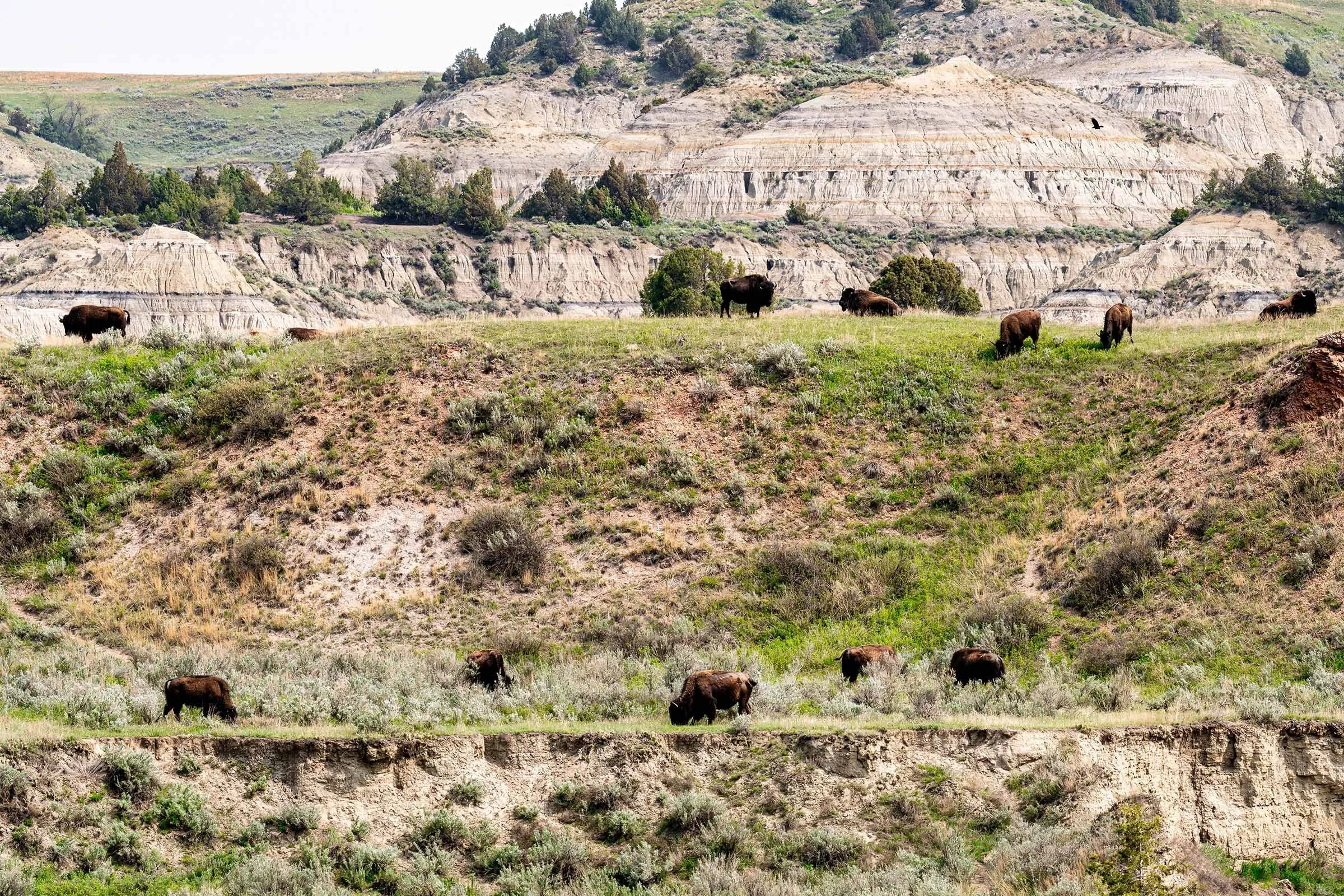
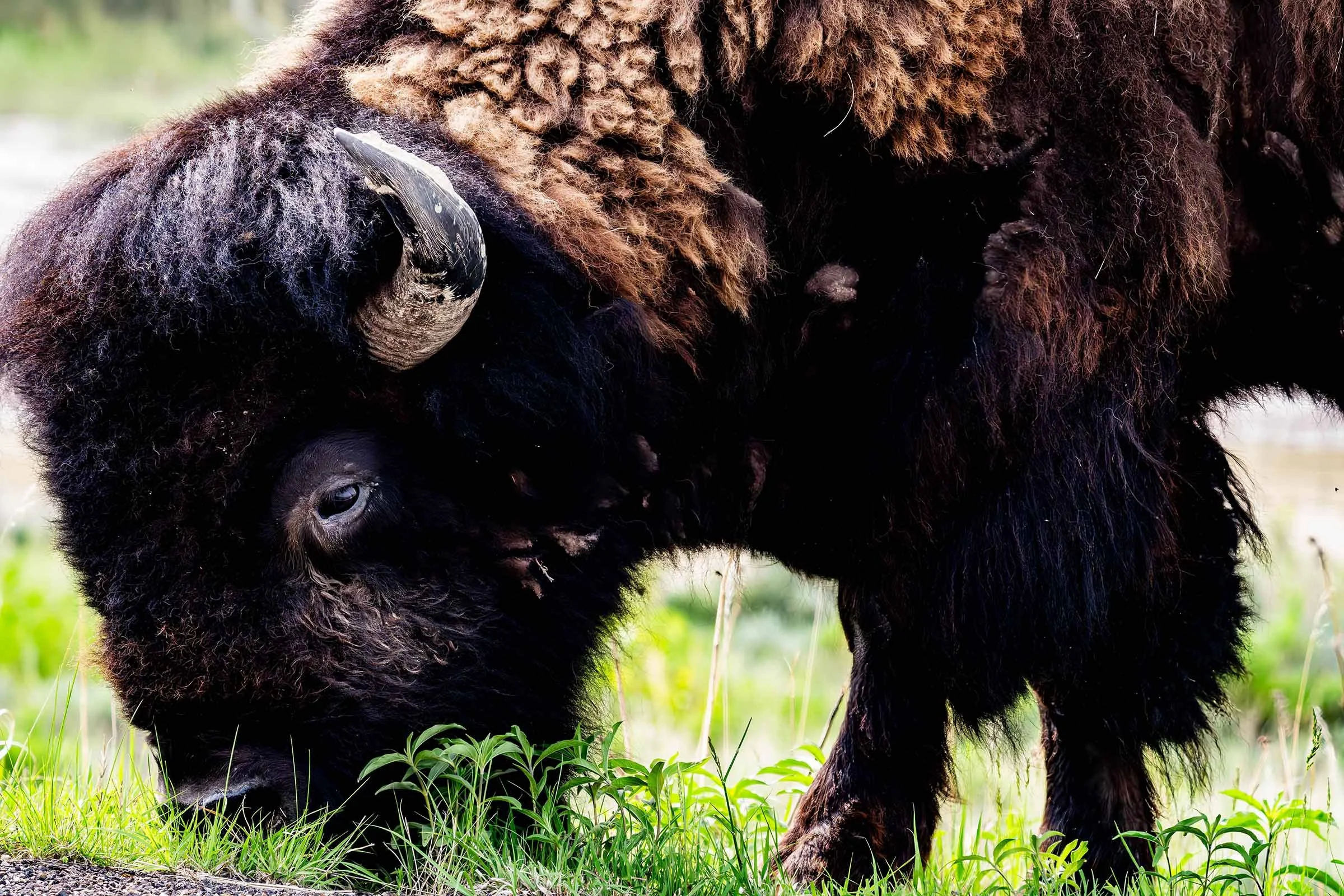
While people often call them "buffalo," these massive icons are technically American Bison. After being hunted to near extinction in the late 1800s, they were reintroduced to the park in the 1950s and have thrived ever since.
The "Bison Jam": Don't be surprised if your drive is paused by a herd crossing the road. They have the right of way, and their sheer scale—weighing up to 2,000 lbs—is a humbling sight.
Behavior: In the North Unit, the bison tend to feel a bit "wilder" due to the lower traffic, often seen grazing in the deep coulees or rubbing against the ancient rocks.